Airbus
Helicopters
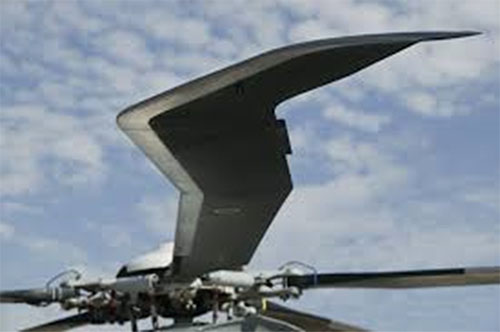
Our technology was assessed to support Airbus Helicopters for the development of future rotor blades, with the target of 50% less impact, high productivity rate, reliable production process, 50% cost reduction.


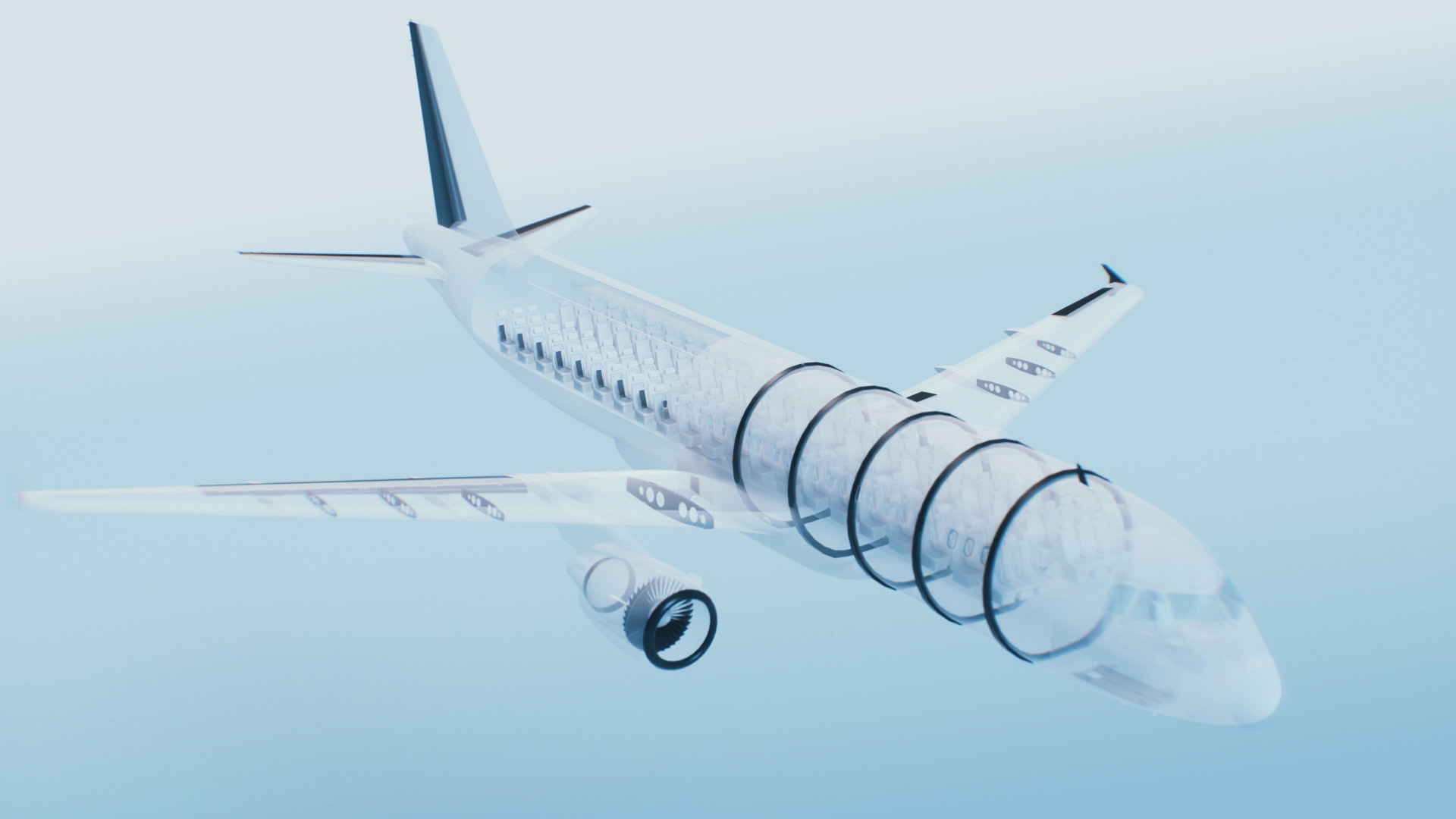
Aircraft need to be built faster, not only to meet customer demand, but so that new, more efficient aircraft can replace the ageing fleet, reducing emissions.
Artemis Composites is excited about their role in supporting aerospace primes and tier 1 manufacturers to achieve this with high-performance, lightweight structural parts at high rate.
Automated fibre placement (AFP) is the ultimate in optimised composite technology. It allows for precise control over the placement and orientation of fibres according to load paths, resulting in highly efficient and repeatable lightweight parts.
AFP is a tow-to-part process which removes the need for intermediate materials and consumables, simplifying logistics and supply chain management. It also reduces cost and time while minimising waste and environmental impact.




Artemis Composites’ Crossfelt® technology brings together AFP and resin transfer moulding in a digitally connected process to enable rapid manufacture of highly optimised part designs.
Our suite of software tools supports detailed digital twin simulation of both part and process with real-time process monitoring. This ensures precision and efficiency throughout production and provides simultaneous data for part verification.
Meeting the engineering challenges of the aerospace industry needs collaboration. We partner with our customers to provide proactive, end-to-end expertise from material selection through part and process design and simulation to joining and assembly, supporting the qualification process.
Our extensive research and commercial experience means we can offer specific guidance in areas such as fire performance, lightning strike protection (LSP), electrical insulation and coatings.

The excellent surface finish produced with our Crossfelt® technology improves aerodynamics and reduces surface preparation and painting costs. Optional in-mould coatings, integrated lightning strike protection or leading edge protection can further reduce weight and cost.
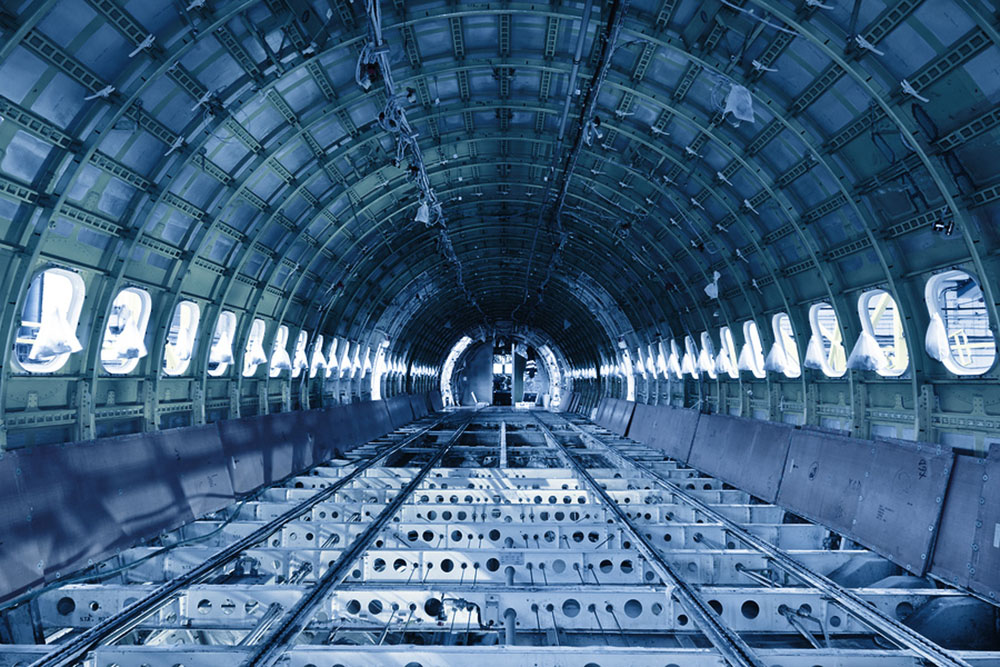
Our automated process is perfectly adapted to replace complex metallic structural parts like frames, stiffeners and ribs. Complex geometry and variable thickness can be accommodated in our net-shape process with accurate tolerances that allow precision-fit, shimless assembly.
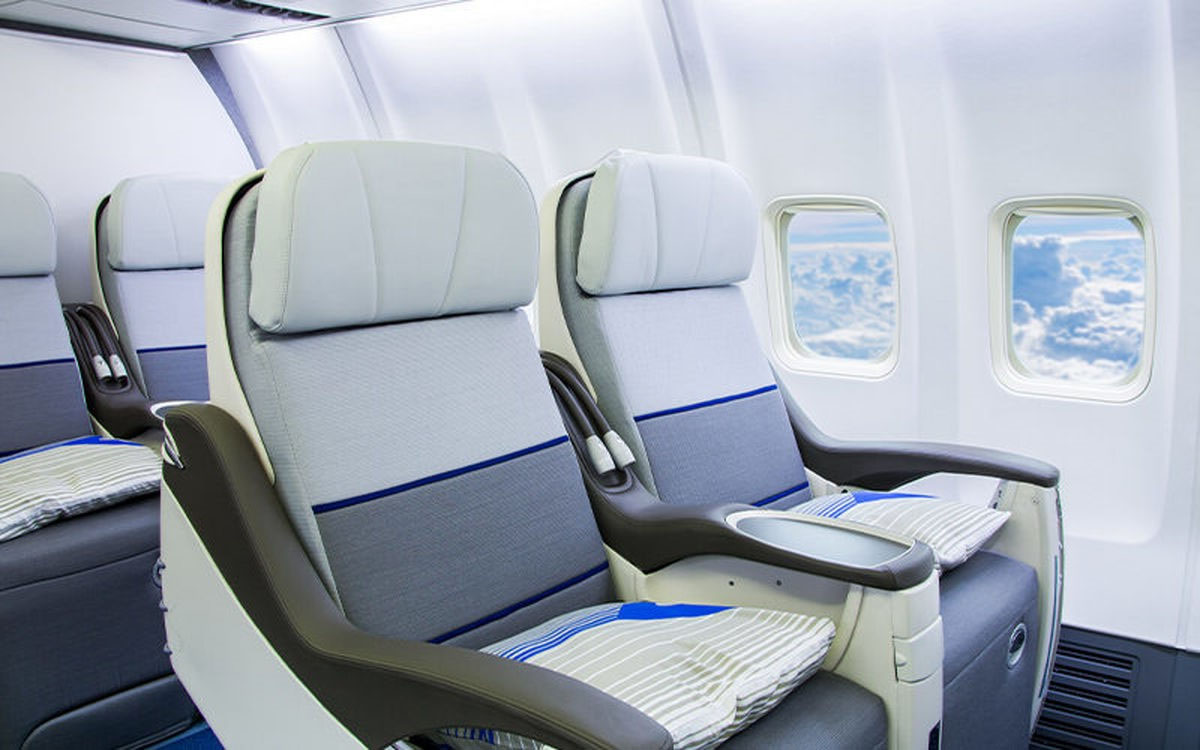
We understand that fire performance is critical in cabin materials. Our automated and scalable process integrates FST (fire, smoke and toxicity) compliant materials for seats, wall and floor panels, galleys and lavatories in commercial aircraft or business jets.
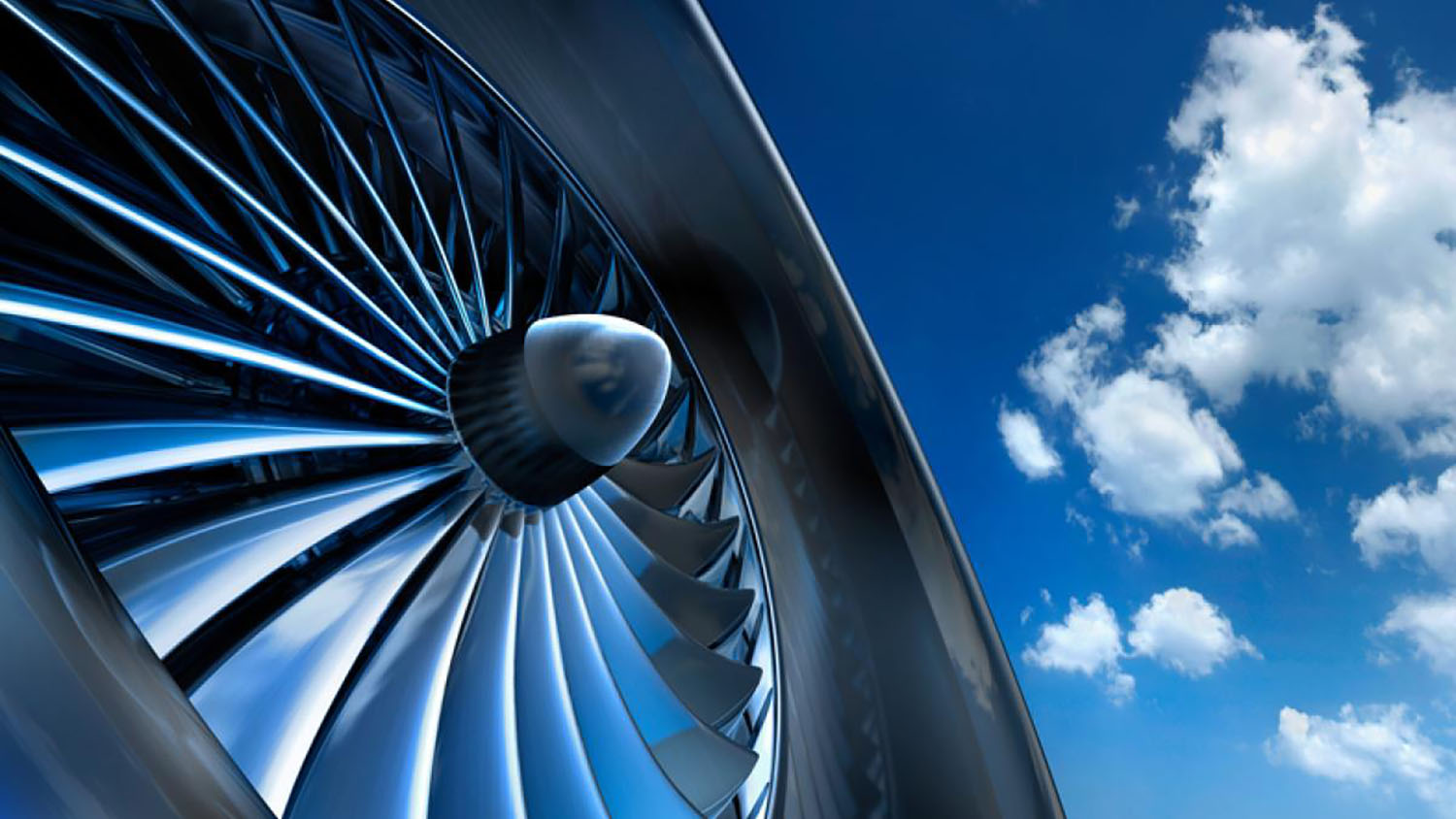
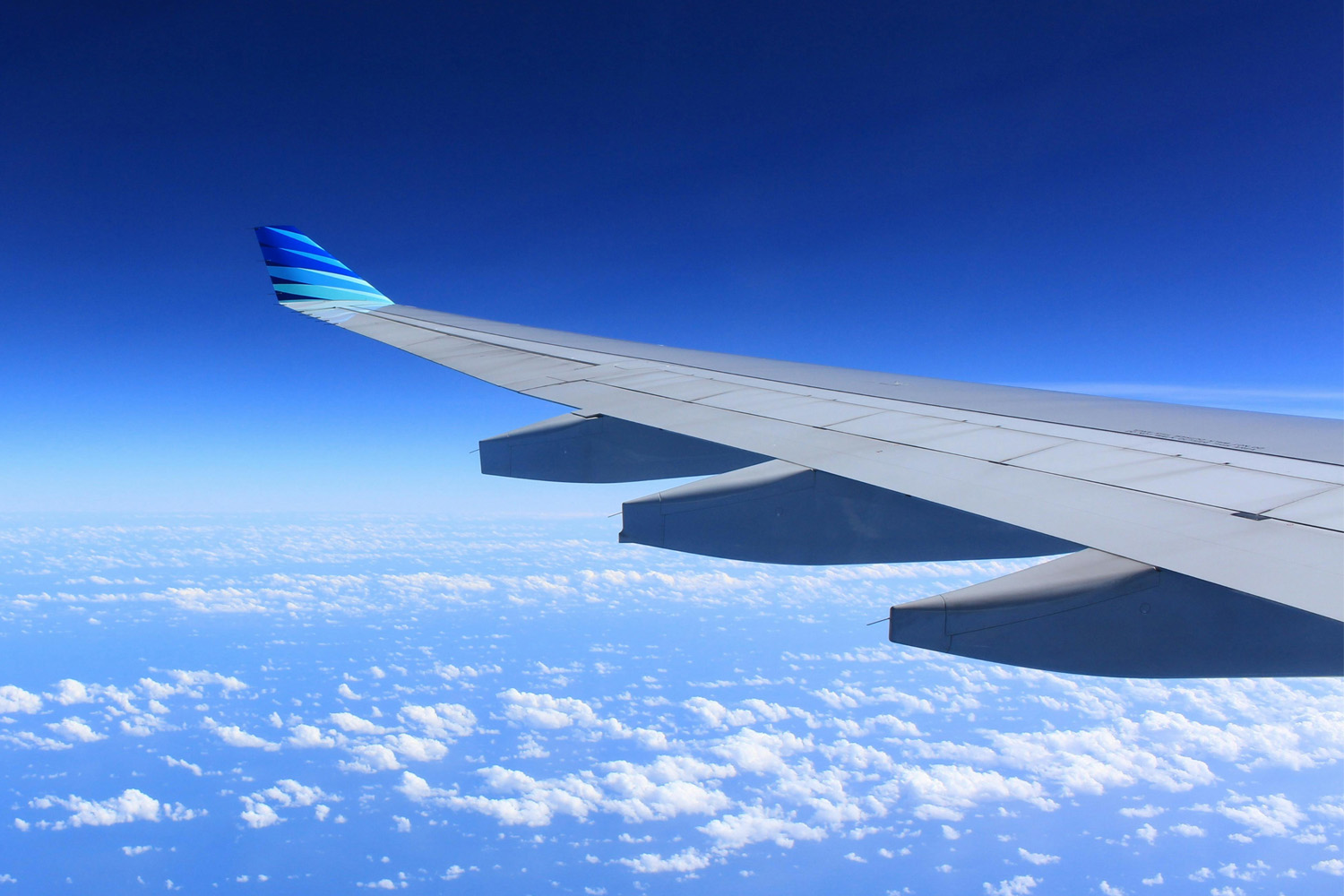
The flexibility to use different materials means that we can produce heat resistant parts where in proximity to the engine. We can create parts for nacelles, fan blades, propellers, open rotor and spinner applications – lighter and faster than with current composite technologies.
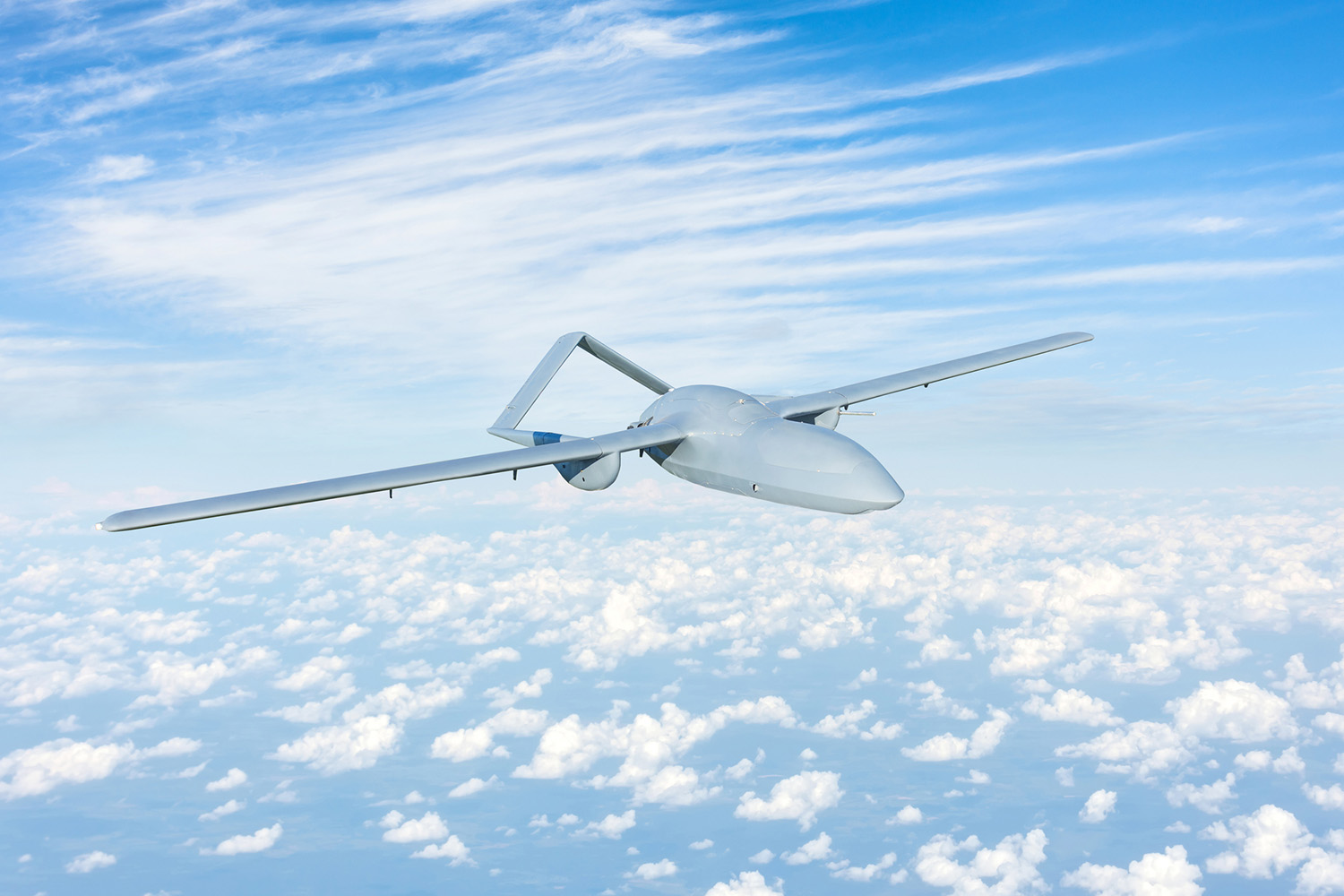
Drones need scalable and high-quality production methods for rotor blade components and lightweight body parts. Our process achieves this and more, with capability to incorporate features such as lightning strike protection, leading edge protection or electrical insulation.
Our technology was assessed to support Airbus Helicopters for the development of future rotor blades, with the target of 50% less impact, high productivity rate, reliable production process, 50% cost reduction.
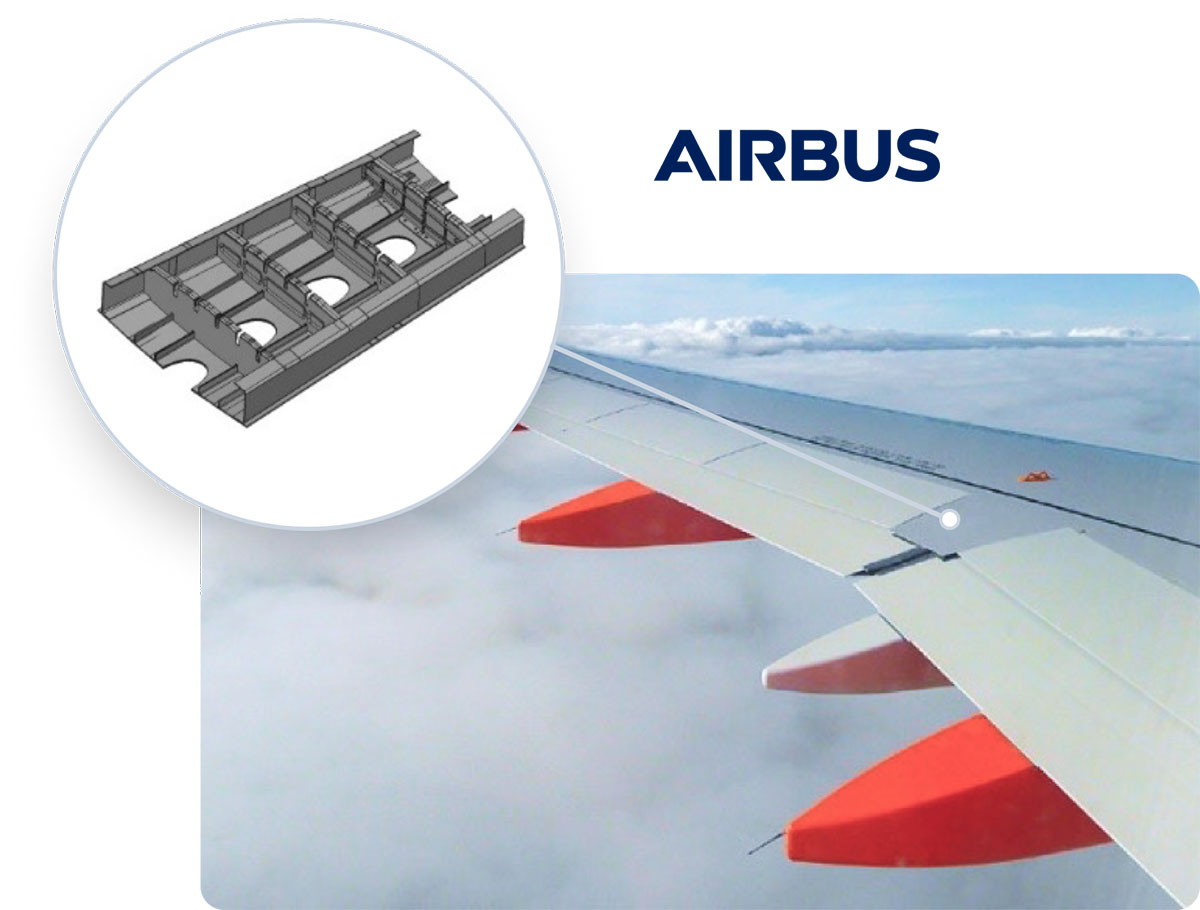
Artemis Composites’ technology was selected as part of a development programme led by Airbus to lightweight future aircraft. The goal was to meet the requirements for future single aisle aircraft: a reliable, fully automated high-rate process, and reduced cost and impact, including reduction of scrap and non-conformance and elimination of consumables.
A generic aerostructure component was selected with Airbus Atlantic. Screening of mechanical performance was completed to aerospace standards and requirements.
The project was supported by the CORAC (Conseil pour la Recherche Aéronautique Civile)